

Share


February 18, 2026
By Dr. Eappen
As Chicago winter settles in and temperatures plunge, I’ve noticed a concerning pattern in my practice. Many of my patients who built consistent outdoor exercise routines during warmer months—regular walks, jogs, or bike rides—are now struggling to maintain those habits. And guess what? Their mental health symptoms are starting to creep back in. So they’re asking: “What do I do when it’s too cold to go outside?”
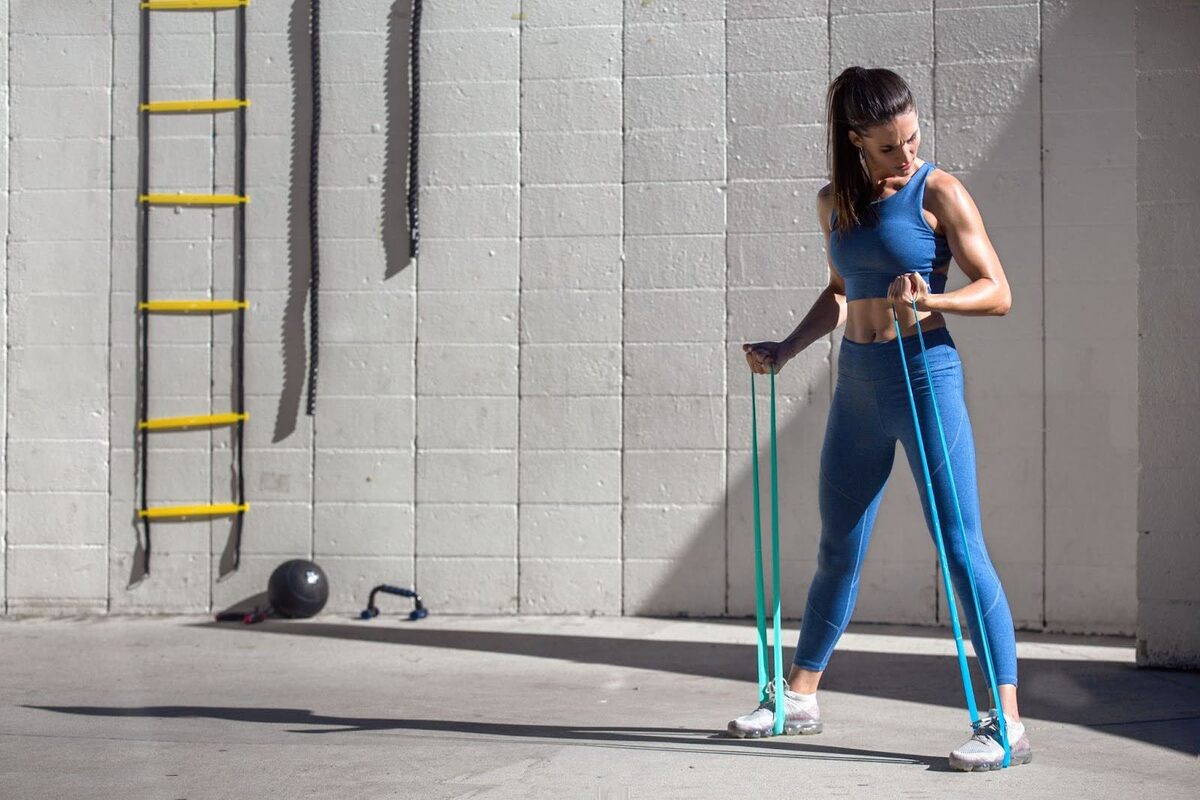
This question led me down a research rabbit hole that revealed something surprising: resistance exercise training (RET), or strength training, may be just as effective as aerobic exercise for treating depression and anxiety. Yet it remains dramatically understudied and underutilized in psychiatric care.
Weight Training for Mental Health: The Evidence is Stronger Than You’d Think
A comprehensive 2018 meta-analysis published in JAMA Psychiatry examined 33 randomized controlled trials involving 1,877 participants. The findings were striking: RET was associated with a significant reduction in depressive symptoms, with a moderate effect size. Even more impressive, the number needed to treat (NNT) was just 4, meaning for every 4 people who engage in resistance training, 1 person will experience significant relief from depressive symptoms.
This effect held regardless of participants’ health status, the total volume of exercise prescribed, or whether they actually got stronger. What’s the key finding in plain language? Resistance training is effective for treating depression.
The research showed particularly strong effects for people with at least mild to moderate depression symptoms. Among participants whose baseline scores indicated clinical depression, the mean reduction in symptoms was 45%, with 40% achieving potential remission based on standard response thresholds.
Why I’m Excited About Resistance Training (But With Important Caveats)
Let me be clear about my clinical approach: I virtually never recommend exercise, whether aerobic or resistance training, as a sole intervention for mental health conditions. The only exceptions are when:
- The condition is very mild and the patient is eager to try exercise as a first step, fully aware it might not completely address their concerns, or
- The condition is recurrent, but the patient previously found that exercise alone extinguished their symptoms.
In all other cases, I view exercise as an adjunct (in addition to other treatments like therapy and/or medication) or adjuvant (a treatment we add to help lessen the risk of symptom relapse, if and when we decide to start tapering medications).
This may seem like a conservative stance, but it’s with good reason. There’s no evidence to back up seeing exercise (or any single treatment) as a “cure all,” and it can be dangerous to overestimate how much it can help. Treating depression and anxiety effectively requires a comprehensive approach.
When appropriate, I recommend multiple concurrent interventions: medication, individual therapy, addressing sleep disturbances, reducing substance use, adding light therapy, and incorporating physical activity. Having a diverse toolbox tailored to each patient gives us the best chance of helping them feel better quickly and reliably.
Who Should Consider Resistance Training?
With those caveats acknowledged, RET offers unique advantages for specific patient populations:
1. People who prefer strength training over cardio.
Some patients simply don’t enjoy running or cycling. If someone is more motivated to lift weights, why not leverage that preference?
2. Those who prefer to workout at home, but have limited indoor space.
Can’t afford a treadmill or don’t have room for one? Bodyweight exercises and a set of dumbbells take up minimal space but can still deliver mental health benefits.
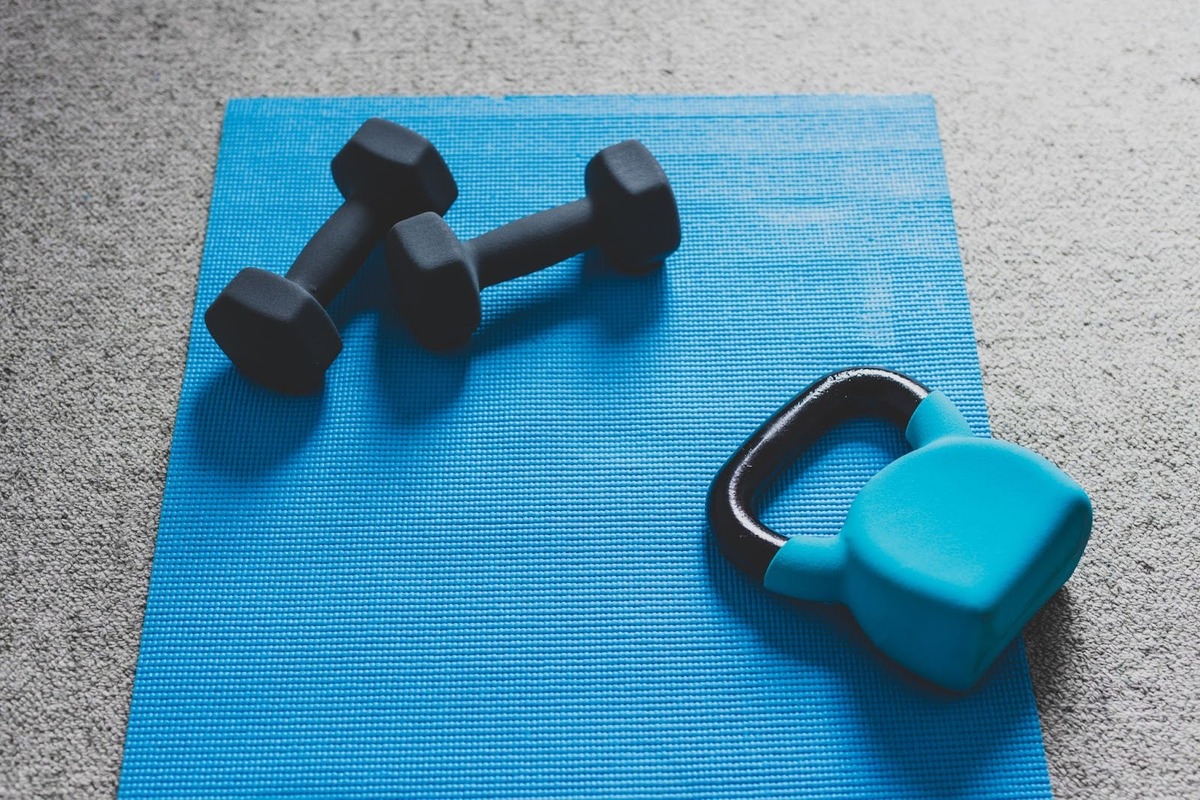
3. Outdoor exercisers with limited time to commute to the gym during winter months, who can squeeze in an at-home workout.
This was my original concern—patients who thrive on the ease and accessibility of outdoor aerobic exercise during the warmer months (for example, lacing up running shoes and heading out the door for a 30-minute run before work), but who need an equally accessible indoor alternative when temperatures drop. Resistance training provides patients an indoor exercise option year-round.
4. People seeking additional health benefits.
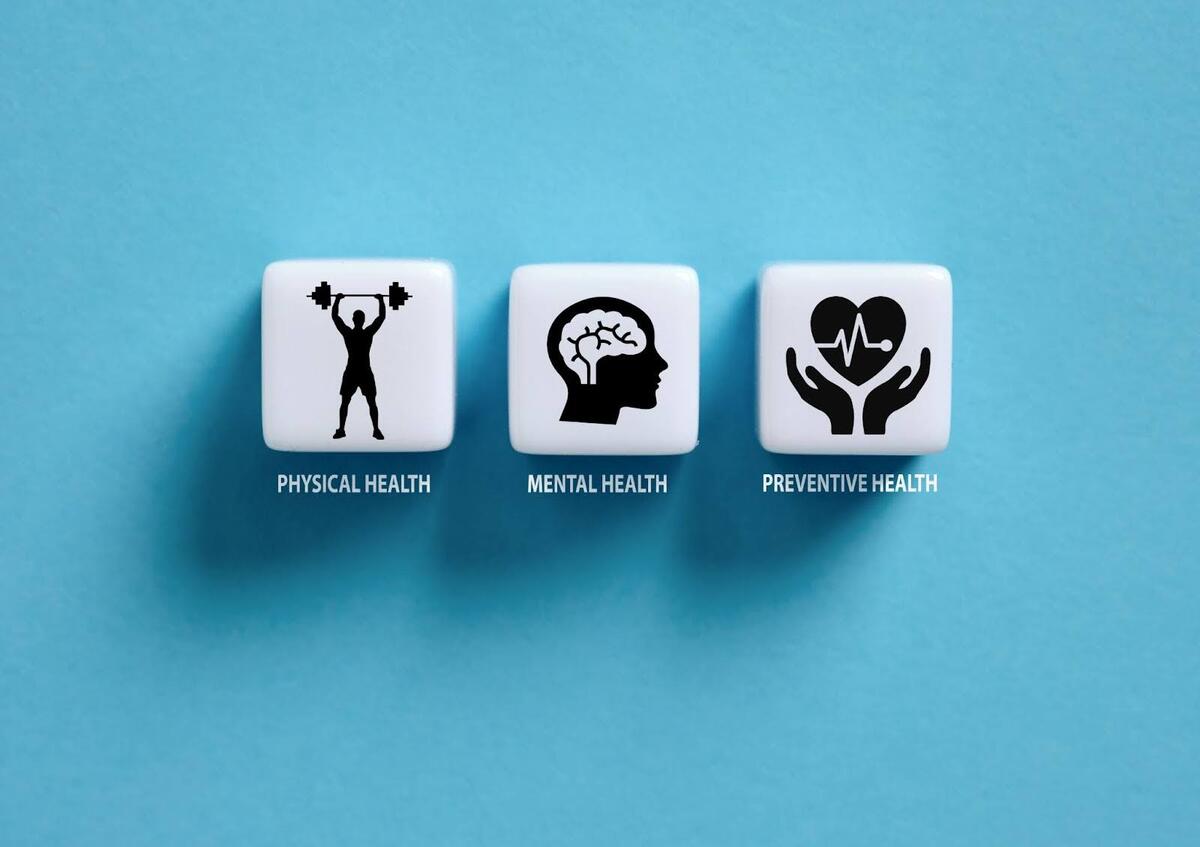
As a study published in the American Journal of Preventative Medicine notes, resistance training also lowers the risk of early mortality, hypertension, neurodegeneration, and diabetes—common comorbidities with depression. It’s an intervention that supports both mental and physical health simultaneously.
The Prescription: What Actually Works
Based on the above research and clinical guidelines, here’s what an effective resistance training program looks like:
Strength Training for Depression:
- Frequency: At least 3 days per week
- Duration: 45-minute sessions (interestingly, sessions under 45 minutes showed even larger effects in research)
- Supervision: Fully supervised sessions (e.g., working out with a personal trainer) showed better outcomes than mixed or unsupervised programs
- Length: Minimum 16 weeks
- Who benefits most: Those with at least mild to moderate depression symptoms (as opposed to symptoms that are “subclinical”, or don’t reach the “mild” threshold)
Strength Training for Anxiety:
- RET appears most effective for generally healthy people without pre-existing health or mental health conditions (other than mild or new onset anxiety)
- May be particularly beneficial for someone experiencing anxiety problems for the first time, or for chronic anxiety that doesn’t meet full criteria for generalized anxiety disorder

Important Considerations: Who Might Struggle
Research on exercise adherence has identified specific factors that predict difficulty sticking with an exercise program:
- Currently taking antidepressant medication
- Being single
- Having obesity
If one or more of these factors applies to you, it doesn’t mean resistance training won’t work—but it does mean you may need extra support for accountability. Consider:
- Setting up a reminder system
- Finding an accountability partner
- Simply being aware that these factors might put you at risk of dropping out early, which can help you stay extra vigilant

Cardio vs Strength Training for Mental Health
While the exact mechanisms aren’t fully understood, resistance training may offer unique benefits compared to aerobic exercise:
- Enhancing circulation to the brain. Some research suggests that reduced blood circulation to the brain and blood vessel function may contribute to depression
- Building consistent self-confidence. Through gradual increases in load and noticeable strength gains
- Consistent mood improvement, potentially occurring after each set or session
- Addressing heart disease and diabetes, conditions that frequently co-occur with depression, can trigger depression, or can be worsened by depression
Making Resistance Training Work for You
Resistance training represents a powerful, evidence-based tool in treating depression and anxiety. Yet, it remains dramatically underutilized in psychiatric practice. It’s not a replacement for other treatments, but when integrated thoughtfully into a comprehensive treatment plan, it can provide meaningful symptom relief.
For my patients facing Chicago winters, this research offers hope: you don’t need to let cold weather derail your mental health progress. A gym membership, a set of dumbbells at home, or even bodyweight exercises can provide an effective indoor alternative that supports your mental wellbeing through the long winter months.
If you’re considering adding resistance training to your mental health regimen, discuss it with your healthcare provider—or reach out to us at Eappen Clinic—to develop a plan that’s safe and appropriate for your specific situation. As always, keep in mind that the goal isn’t perfection. The goal is finding sustainable strategies to support your mental health year-round.
If you’re experiencing symptoms of depression or anxiety, Eappen Clinic is here to help. We work with patients to develop comprehensive treatment plans that address your unique needs. Resistance training can be an excellent complement to professional care but should not replace it for moderate to severe symptoms.


Email: info@eappenclinic.com
Fax: 888-972-3621
Phone: 844-632-7736
(844-6-EAPPEN)
Oak Brook
600 Enterprise Drive
Suite 220
Oak Brook, IL 60523